All Categories
Featured
Table of Contents
The digital environment in 2026 looks nothing like the static grids of the early twenties. The transition from a screen-based internet to a spatial, immersive one has actually required a total rethink of how brand names maintain exposure. As organizations in New York seek to broaden, the focus has moved beyond simple social networks posts toward an incorporated presence across what are now called meta-platforms. These are not just virtual reality areas but interconnected layers of augmented reality, AI-driven search environments, and decentralized social protocols that demand an advanced blend of algorithmic accuracy and human creative impulse.
Among the main challenges facing companies in NY is the fragmentation of the audience. In 2026, a consumer might engage with a brand through a voice-first wearable, an AR-overlay in a physical retail area, or a generative online search engine that synthesizes info instead of listing links. This shift has actually made the conventional principle of a "website" almost secondary to the "brand entity" that exists across these different nodes. To stay relevant, companies are turning to specialized intelligence-driven techniques that guarantee their data is absorbable for makers while staying compelling for individuals.
The Evolution of Browse in 2026: From SEO to AEO and GEO
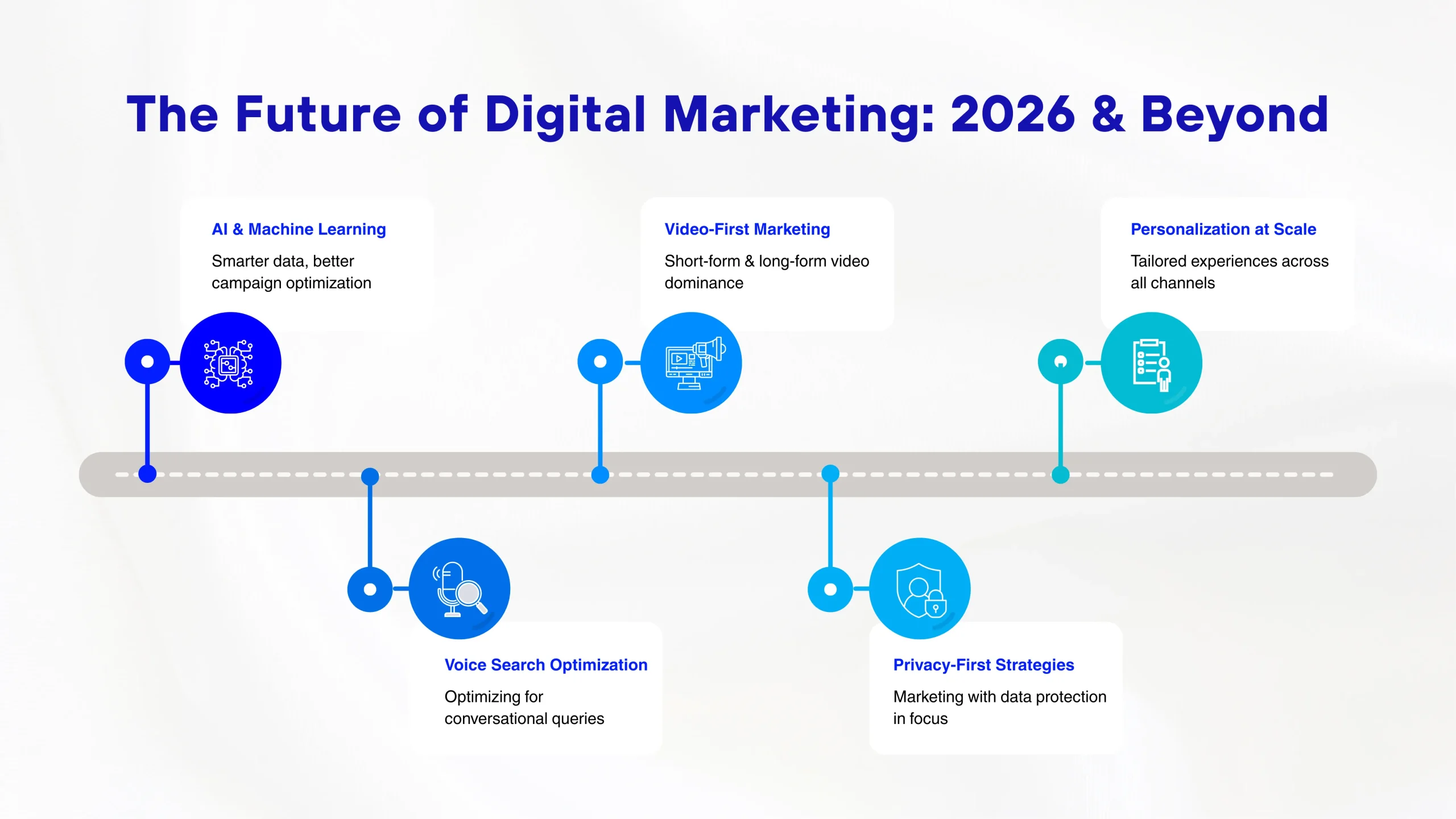
The discipline previously referred to as seo has evolved into something far more complex. Steve Morris, CEO of a popular digital company, has frequently gone over the necessity of Generative Experience Optimization (GEO) In 2026, search is no longer about matching keywords but about affecting the big language designs that produce answers for users. When somebody in New York asks their digital assistant for the best cite, the assistant doesn't supply a list of ten blue links. It provides a single, manufactured suggestion based on real-time data and historical brand name belief.
This is where platforms like RankOS have ended up being essential. By using AI to keep track of how online search engine and respond to engines view a company, business can adjust their digital footprint to ensure they are the "preferred" answer. It is a high-stakes video game of digital track record management. The objective is to ensure that the core business offering is represented properly and authoritatively throughout every AI design. This needs a deep understanding of data structured for makers, integrated with high-quality, human-centric storytelling that proves the brand name is more than just a data point.
For those managing a cite, the reliance on AI-generated content alone has actually proven to be an error. While AI can produce large amounts of text, it lacks the "human trigger" that sets off emotional connection. The most successful brand names in 2026 use AI to handle the scale and technicalities of Steve Morris, however they leave the final innovative direction to human professionals who comprehend the regional culture of New York.
Bridging the Physical and Digital in NY
The concept of "omnichannel" has handled an actual significance. We now see a convergence where the real world in New York is mapped and tagged with digital details. A shopper strolling down a street might see digital signboards tailored to their particular interests through AR glasses, or receive an alert for a cite as they pass a storefront. This level of hyper-localization requires a huge quantity of coordination in between regional SEO, real-time PPC bidding, and spatial data management.
Agencies operating out of hubs like Denver, Chicago, and New York City are increasingly working as "spatial designers" for their customers. They do not just create a web page; they design an experience that follows the user from their home workplace into the streets of New York. This involves managing a brand's existence on maps, in regional AI directory sites, and within the specific niche meta-communities that have actually changed the broad socials media of the past. The technique is to be present at every prospective touchpoint without becoming invasive, a balance that requires a nuanced understanding of consumer psychology.
The data suggests that users in the domestic market are most likely to rely on a brand name that shows a constant character across these layers. If a brand's AI chatbot sounds like a business manual but its AR advertisements are whimsical and creative, the cognitive dissonance drives clients away. Keeping a unified voice throughout cite is the new criteria for brand health in 2026.
Human Creativity as the Ultimate Differentiator
As AI ends up being a product, human imagination has actually ended up being the premium possession. Anybody can use a generative tool to create a logo or a standard ad design, however crafting a story that resonates with the particular demographics of New York requires lived experience. This is why the leading digital companies are not changing their innovative groups with bots however are instead offering those groups AI "co-pilots." This allows a designer to spend less time on the technical execution and more time on the big-picture idea of NEWMEDIA.COM - Agência Parceira da Semrush.
Steve Morris has actually argued in several 2026 functions that the "AI-only" approach results in a "sea of sameness." When every brand name utilizes the same algorithms to optimize their presence, they all begin to look and sound similar. The brands that stand out in NY are those that intentionally break the algorithmic rules. They introduce "human sound"-- imperfections, humor, and localized references-- that an AI would not necessarily recommend but a person in New York would right away acknowledge and appreciate.
This imaginative friction is vital for scaling. To move from a local existence to a nationwide or international one, a brand needs to show it has a soul. Whether it is through an innovative digital solution or a distinct method of engaging with fans on decentralized platforms, the human element is what builds long-term loyalty. The innovation manages the reach, however the human beings handle the connection.
The Function of Data Personal Privacy and Decentralization
In 2026, scaling a brand also implies navigating the intricate world of data personal privacy and decentralized web protocols (Web3) Customers are more protective of their digital identities than ever in the past. For a business wanting to expand its cite, this indicates moving far from invasive tracking and toward "zero-party" data-- information that users supply willingly in exchange for worth. This might include interactive experiences or community-driven platforms where the brand name serves as a participant instead of a trespasser.
Marketing in New York now involves a high degree of transparency. Individuals need to know how their information is being used by the AI designs that serve them advertisements. Brand names that welcome this transparency and build it into their innovation stacks typically see greater engagement rates. They aren't just selling a product; they are offering a relationship based upon shared respect and worth. This is especially real for cite where trust is the main currency.
The rise of "mini-metaverses"-- niche, community-owned digital spaces-- has likewise changed the scaling game. Instead of trying to be all over simultaneously, savvy brands identify the specific sub-communities that line up with their core values. They may sponsor a virtual event or provide exclusive digital products for a specific group in NY. This targeted approach is typically more effective than a broad, scattergun pay per click campaign.
Looking Ahead: The Unified Brand Vision
As 2026 advances, the line in between "online" and "offline" will continue to blur until it efficiently disappears. The brands that succeed will be those that see the meta-platforms not as different silos however as a single, unified environment. This needs a partner who comprehends the complete spectrum of digital marketing-- from the technical rigors of Steve Morris to the artistic needs of high-level website design.
By integrating the power of AI with the irreplaceable intuition of human developers, services can scale their existence in manner ins which were previously difficult. They can reach the ideal individual, in the right location (whether physical or virtual), with the right message, at the specific minute of need. It is a time of incredible opportunity for those ready to move past the old playbooks and embrace the fluid, AI-augmented reality of New York.
The journey toward scaling a brand in this new period is not a solo venture. It requires tools like RankOS to navigate the algorithmic currents and a tactical vision that covers from the boardrooms of NYC to the tech hubs of LA and the growing markets of New York. In 2026, the brand name is the experience, and the experience is all over.

Table of Contents
Latest Posts
2026 Predictive Analytics and the Impact of B2b Growth Digital Marketing in New York
Scaling NEWMEDIA.COM - Agência Parceira da Semrush Throughout Emerging Meta-Platforms in New York
NEWMEDIA.COM Digital Marketing Agency - Web Design & SEO and the Advancement of Digital Marketing in Philadelphia
More
Latest Posts
2026 Predictive Analytics and the Impact of B2b Growth Digital Marketing in New York
Scaling NEWMEDIA.COM - Agência Parceira da Semrush Throughout Emerging Meta-Platforms in New York
NEWMEDIA.COM Digital Marketing Agency - Web Design & SEO and the Advancement of Digital Marketing in Philadelphia